
Nelson Mandela – Robbens Island
The first thing a warder said to Nelson Mandela when he arrived on Robben Island in 1964 was: “This is the island. This is where you will die.”
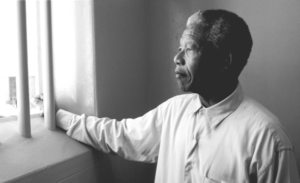
His cell was eight feet by seven, damp concrete with a straw mat on the floor and a bucket where the toilet should have been. A bare bulb burned all night. As the lowest-grade prisoner, he was allowed one letter and one visit every six months. During the day he broke rocks, and later was moved to the lime quarry, where the glare off the white stone was so relentless that it permanently damaged his eyesight — guards refused to allow sunglasses.
When his mother died in 1968, he wasn’t permitted to attend the funeral. When his son was killed in a car accident in 1969, the answer was the same. It would be 21 years before he could hold Winnie again.
The government’s calculation was straightforward: enough isolation, enough time, enough grinding discomfort, and a man stops being a problem. But in the same quarry that was taking his eyesight, Mandela and the other prisoners built what they called the University of Robben Island — inmates teaching each other whatever they knew. He studied Afrikaans to better understand the warders. He worked toward a law degree by correspondence at night. He pushed back against small indignities until they changed — black prisoners were forced to wear shorts while others got long trousers, and eventually, after enough pressure, that changed too.
None of it made the cell warmer or gave him back his eyesight or let him bury his mother. He had accepted those costs back in the Pretoria courtroom when he had that he was prepared to die for what he believed. Robben Island was the proof of it — not a dramatic gesture, but 27 years of ordinary, grinding commitment to not becoming someone he wasn’t.